Loading

New Jersey's Forgotten Victory Trail

Making the Forgotten Unforgotten

Transforming fragmented Revolutionary War history into a connected, multidisciplinary public experience

Creative Direction / Brand Strategy / Experience Design / Environmental Design / Storytelling / Production/ UXD

Leadership Role
Creative Director
Forgotten Victory Trail Association

The mission
Make one of New Jersey’s most overlooked Revolutionary War campaigns visible, accessible, and meaningful to a new generation.

The opportunity
Build a recognizable creative identity and a connected visitor experience across historic sites, physical installations, exhibitions, educational programs, digital media, and community partnerships.

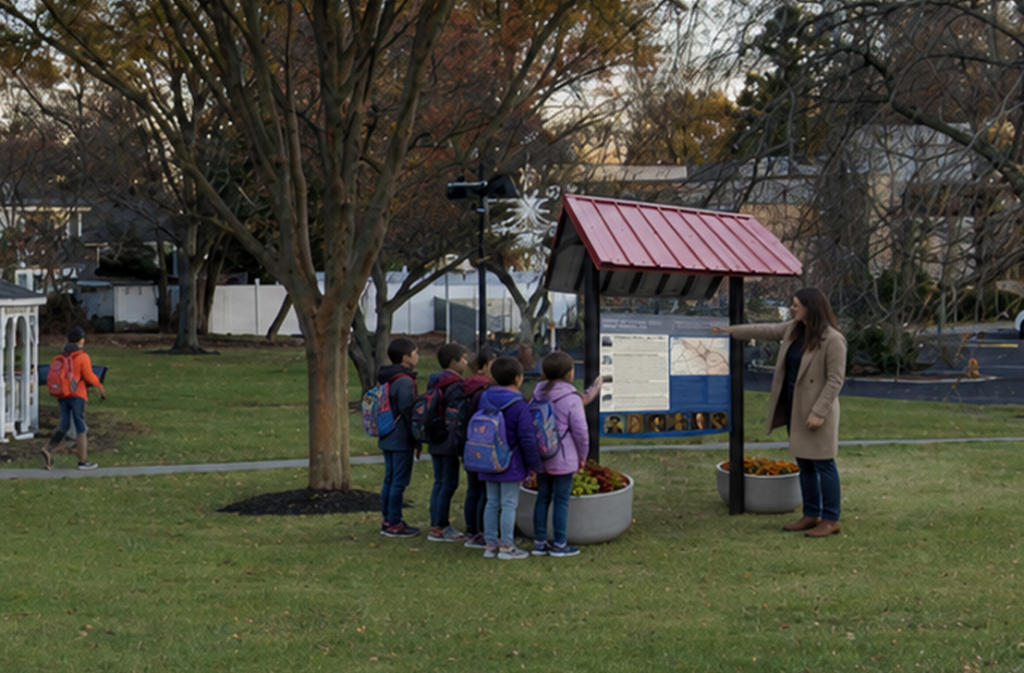
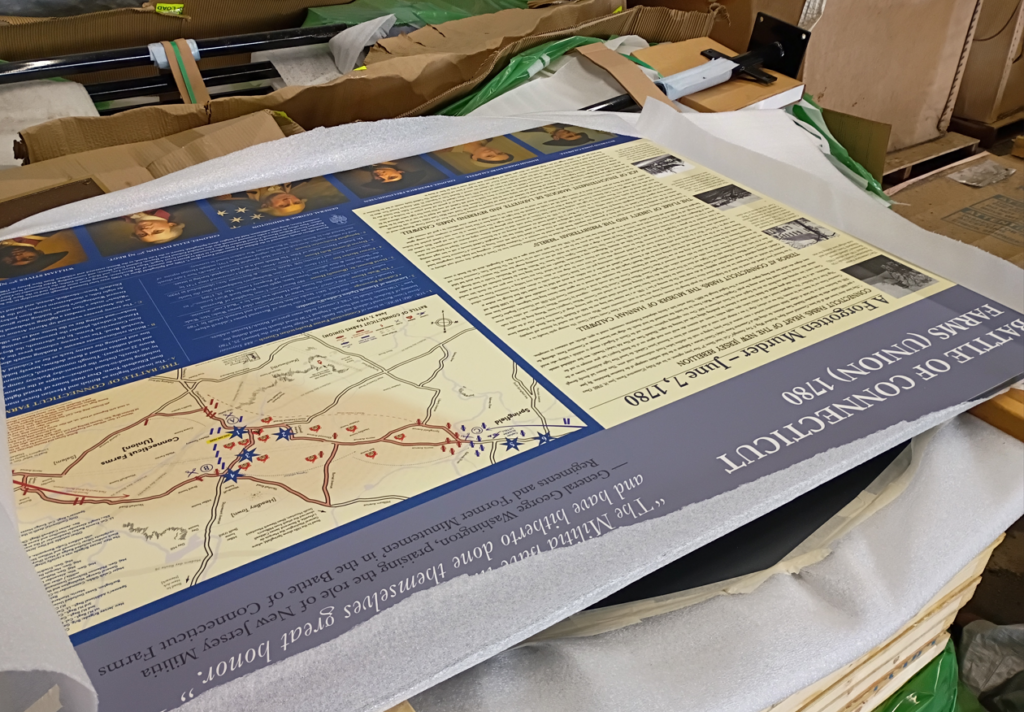
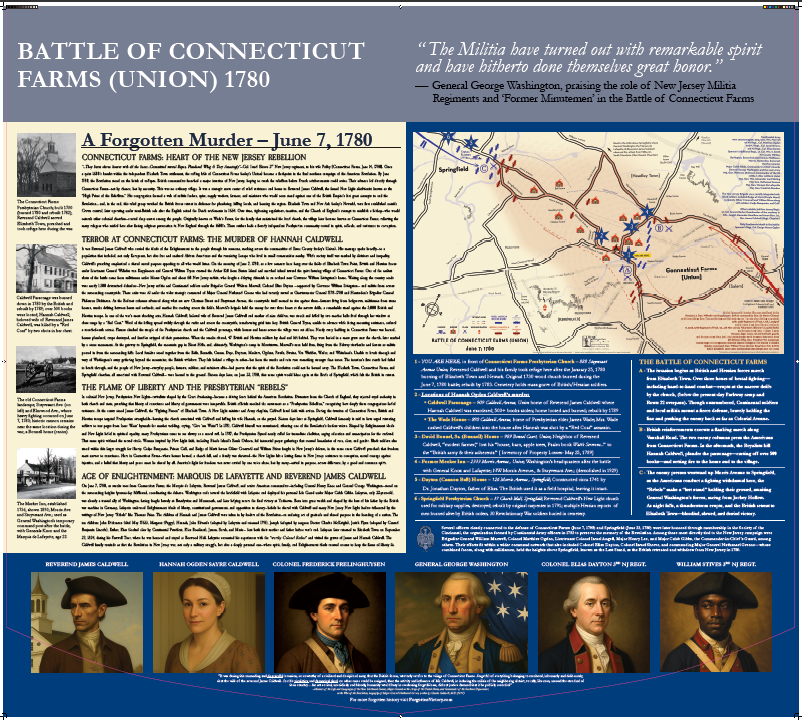
55"X50" designed kiosk interconnecting history across the state
"For years, we had the historical research, passion, and vision, but struggled to bring it all together in a way that could truly reach the public. Kevin changed that. He brought an entirely new level of creative direction, design, and marketing strategy to the Forgotten Victory Trail, helping transform our association into a recognizable and growing public history initiative. His contributions have gone far beyond anything we originally imagined. From securing grant opportunities and developing partnerships to creating our visual identity, historical kiosks, publications, trail guides, apparel, museum exhibits, experimental music, and even an interactive game, Kevin has continually pushed the boundaries of what our organization can accomplish. Today, he's developing animated battlefield maps and cinematic historical experiences while helping expand the physical trail across New Jersey. What impresses me most is that he doesn't simply design what we ask for. He sees possibilities we hadn't considered and takes the initiative to make them happen. His creativity, dedication, and ability to connect history with modern audiences have been instrumental in moving our mission forward.”

-Bob Gula - Vice President, Educational Programming | Forgotten Victory Trail Association 501c3 non-profit

The Story Was There. The Experience Was Missing.

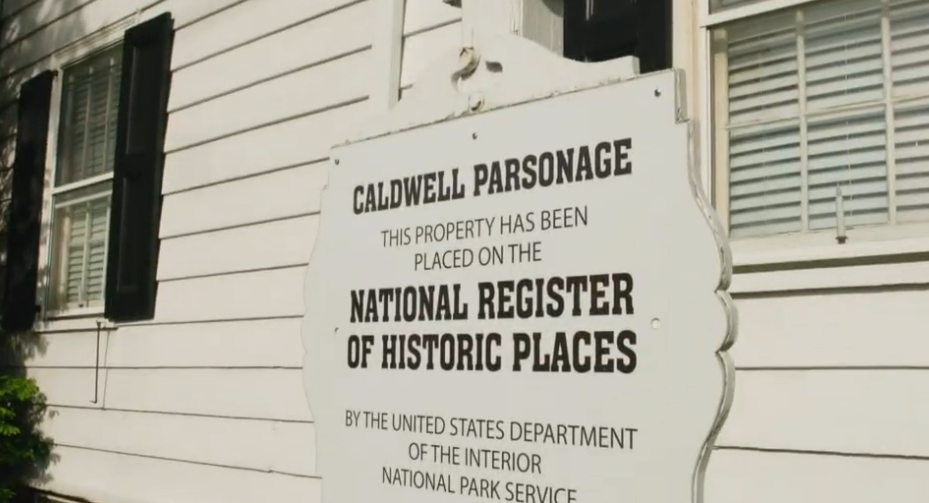
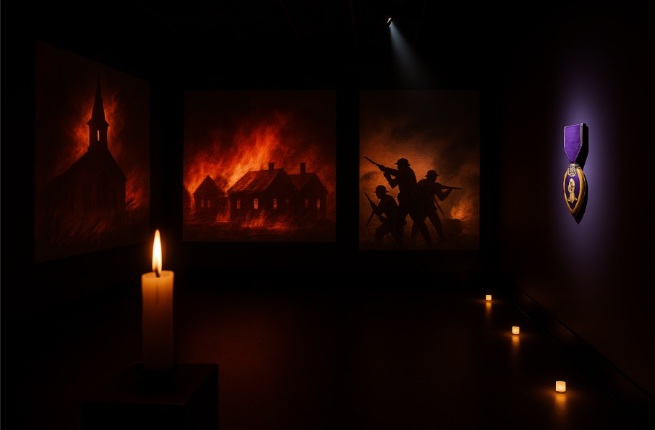
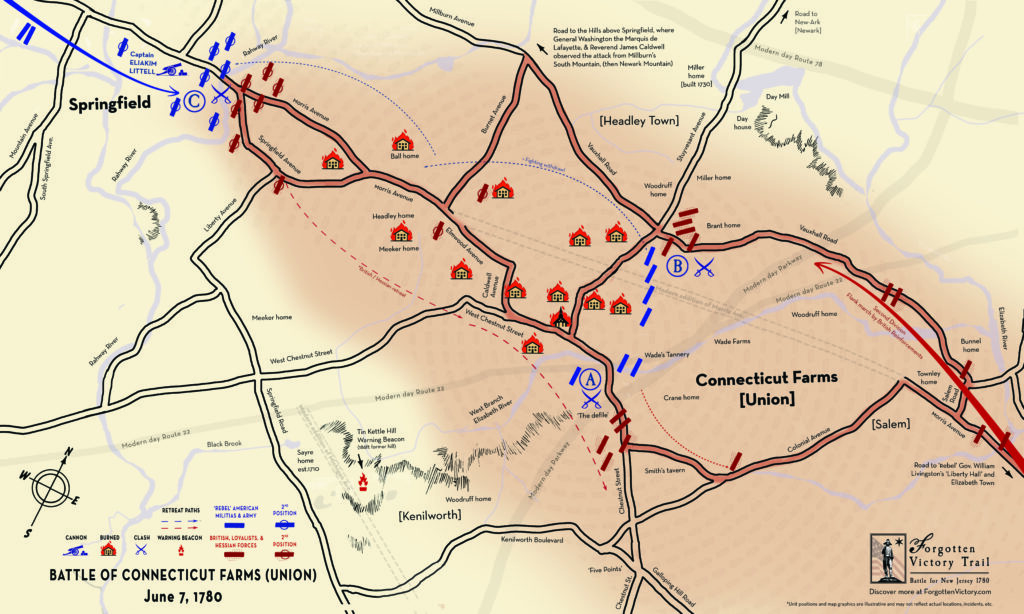
In June 1780, New Jersey became the setting for the last major British attempt to break through northern New Jersey and threaten George Washington’s army at Morristown. The Battles of Connecticut Farms and Springfield helped stop that advance. Yet centuries later, much of this history had faded from public awareness. Let alone the brave women, black soldiers, and native Americans who were nearly erased from the historical re-tellings. What survived was fragmented. A battlefield in one town. A historic house in another. A forgotten militia headquarters. An overlooked soldier. An archival document. A roadside marker that few people noticed. Each location held part of an extraordinary story, but the larger experience connecting them was largely missing.

My challenge was to make something forgotten feel impossible to ignore.

I joined the Forgotten Victory Trail Association as more than a designer. I helped establish its creative direction, visual identity, communication strategy, and public-facing experience as the organization expanded its mission across New Jersey. There was no large agency, creative department, or production studio supporting the work. The challenge required someone who could see the larger picture, organize the complexity, develop the creative vision, and help turn that vision into something tangible. That’s where my design work began.

01 / Finding the Bigger Story

Experience Strategy and Systems Thinking

My first priority was connecting the dots. The Revolutionary War campaign stretched across numerous communities, involving interconnected military movements, historical figures, roads, battles, and surviving landmarks.

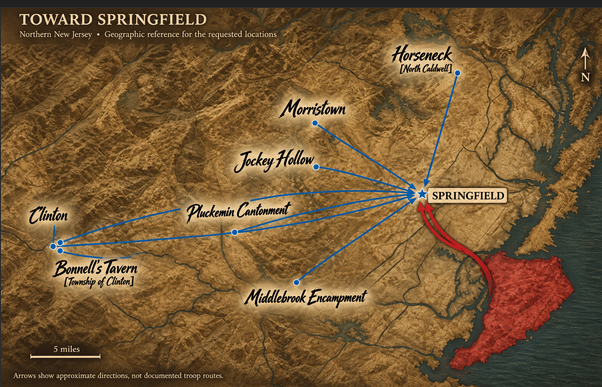
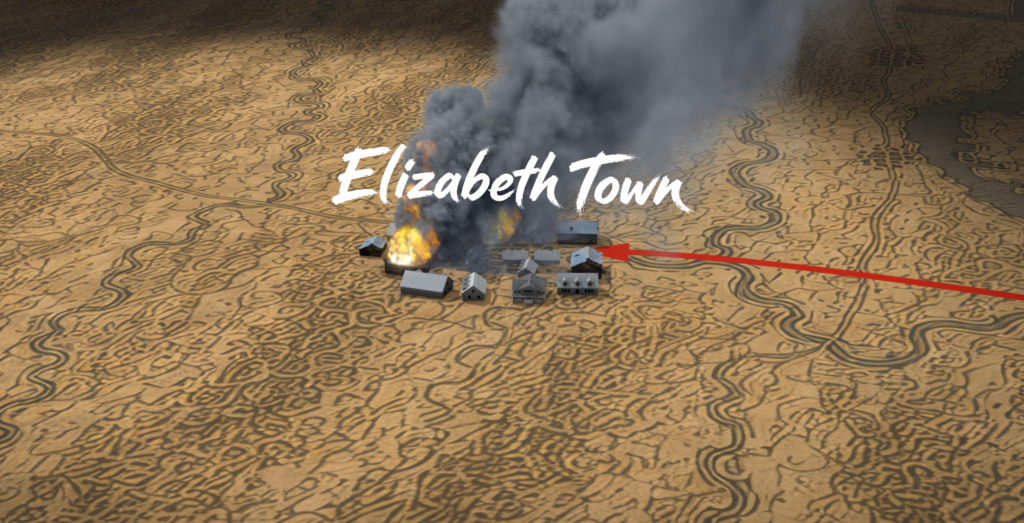
Rather than designing each location as an independent historical attraction, I approached the entire campaign as one continuous experience. Elizabeth Town, Newark, Connecticut Farms, Springfield, Millburn, Morristown, Pluckemin, and Clinton were not simply points on a map. They were chapters in a larger story of invasion, resistance, survival, and victory.

I helped define the narrative hierarchy, organize historical content, connect primary and supporting locations, and shape how visitors would move between physical installations and the larger historical story. This required the same thinking I apply to digital experience design.

Who is the audience? What information matters first? How do we reduce complexity without losing meaning? What creates curiosity? What makes someone want to continue exploring?

I began thinking about the experience through four fundamental audience needs.

Stop. Capture attention in a world where historic markers are often overlooked.

Understand. Make the significance of a complicated historical event immediately accessible.

Connect. Help visitors understand how one person, battle, or location relates to the larger campaign.

Explore. Encourage continued discovery through other trail locations, exhibits, publications, videos, and educational experiences.

This thinking became the foundation for an interconnected system of historical interpretation.

The landscape became the interface. The locations became chapters. The trail became the experience.

02 / Creating a Brand With Presence

Creative Direction and Visual Identity

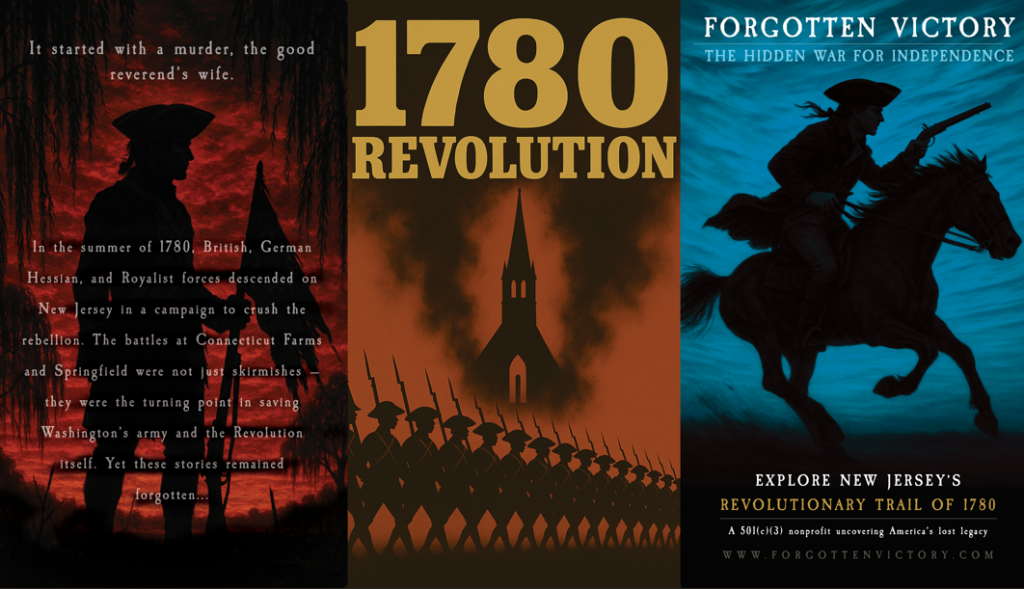
Historic interpretation can be quiet, cautious, and visually passive, but I wanted Forgotten Victory to have presence- after all it was forgotten for a long time. The visual language needed to feel contemporary and engaging while respecting the authenticity of the 1780 environment. I developed the creative approach around dramatic historical imagery, strong typography, cinematic scale, clear information hierarchy, and emotionally grounded storytelling.

My goal was not to make history look like entertainment. It was to create the visual impact necessary for people to recognize that something significant happened exactly where they were standing. I directed and developed the organization’s visual identity across environmental graphics, publications, promotional campaigns, exhibits, presentations, videos, digital experiences, and historical illustrations.

The brand needed to be recognizable without becoming repetitive. Each community had its own history, audience, environment, and installation requirements. That meant establishing visual consistency while allowing each location to tell its own story. The result was a flexible creative language that could move from a large outdoor kiosk to a museum wall, a historical booklet, a video sequence, or a digital screen and still leave room for creative promotional material.

I wasn’t simply designing individual assets. I was building a visual system capable of carrying an entire historical narrative.

03 / Where History Meets the Real World

Environmental and Interpretive Design

Designing for a historical landscape is different from designing for a screen. The audience doesn’t arrive through a navigation menu. They might encounter the experience while walking through a park, visiting an old tavern, attending a public ceremony, or passing through a town they’ve lived in for decades. Every location presents different challenges.

Viewing distance. Lighting. Traffic. Surrounding architecture. Physical accessibility. Local history. Fabrication requirements. Municipal approvals. And the simple reality that a visitor may have only a few minutes to engage. I directed and designed interpretive kiosks and supporting graphics with these considerations in mind, organizing extensive historical information into readable, visually engaging experiences. I laid it out in three use case perspectives. Imagery to glance, maps to skim, and detailed researched text to dive into. 

A military campaign spanning hundreds of miles might need to be explained through a single map. A complex battle could require a few carefully chosen illustrations. A forgotten historical figure might need a concise narrative strong enough to connect emotionally with a visitor.

Every decision involved prioritization. What belongs in the foreground? What can be simplified? What requires additional context? What deserves a moment of reflection?

I also coordinated the less visible work that makes permanent installations possible, including historical research, content development, stakeholder feedback, production specifications, fabrication, installation planning, and recognition of project supporters.

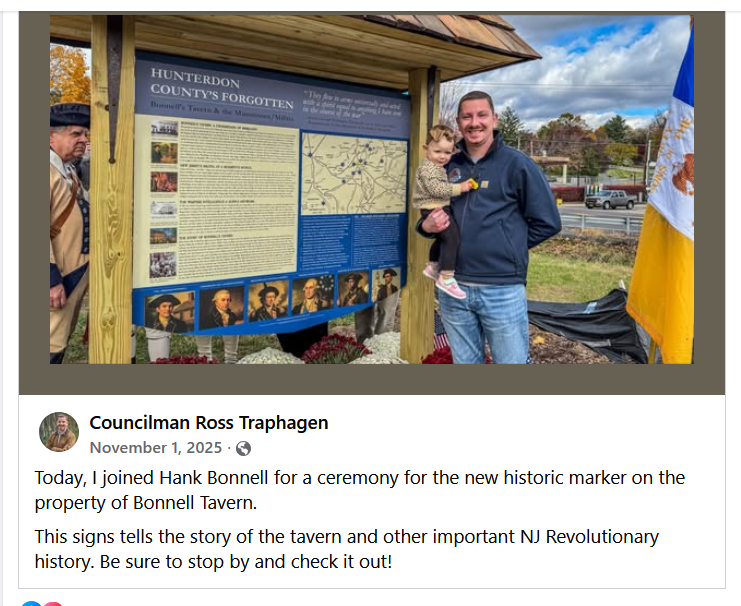
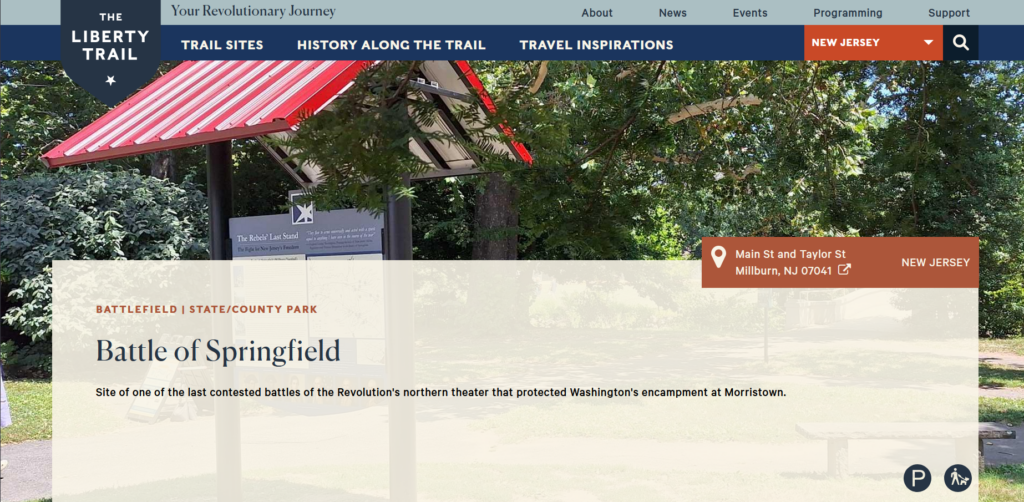
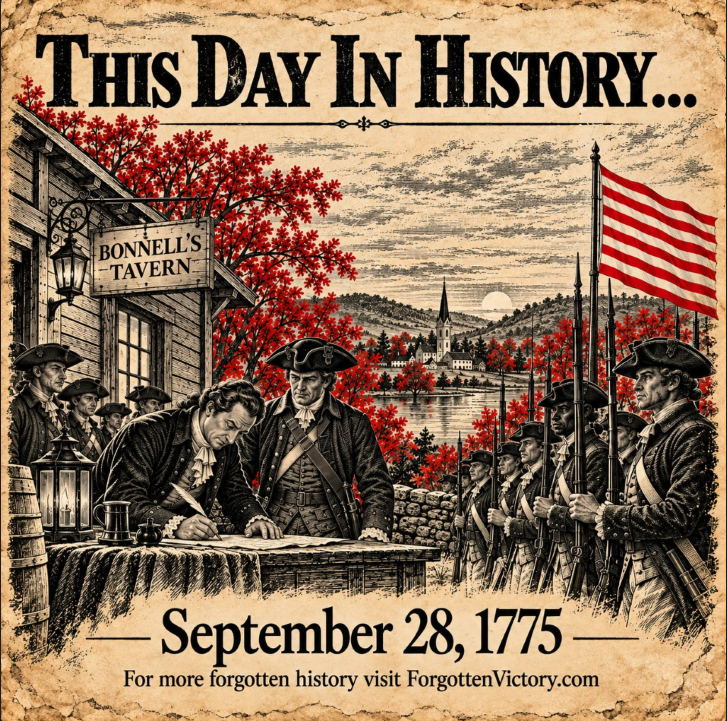
The work became tangible through installations at Millburn’s Taylor Park, Bonnell’s Tavern in Clinton, and Veterans Memorial Park in Union, with additional interpretive panels in production for Springfield. Each location contributes to the larger trail while remaining meaningful to its own community.

The objective wasn’t simply to install signage. It was to transform overlooked places into points of discovery and continue the story digitally, in-schools, and in other ways through partnerships.

Animated Battlemap artwork and design direction
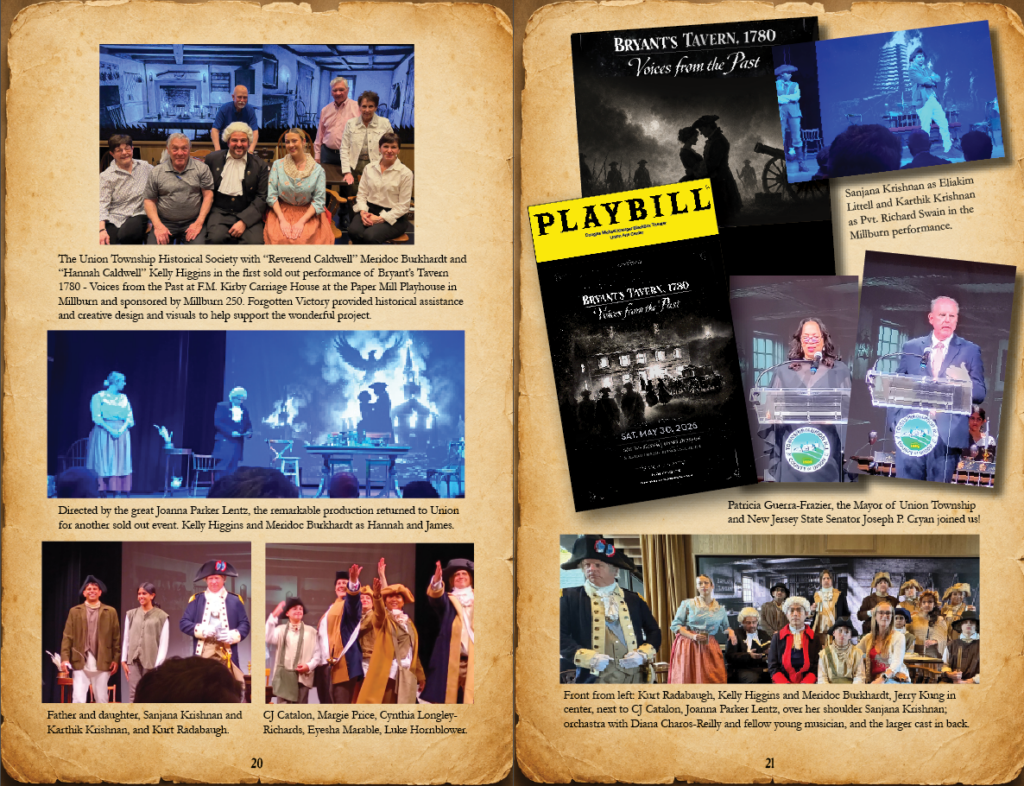
Bryant's Tavern 1780- Voices from the Past theatrical design support
Design layout, research, map creaitions for New Jersey's state-wide historical trail about 1780

04 / One Story, Many Mediums

Multidisciplinary Creative Leadership

As the initiative grew, the creative work expanded far beyond environmental design. A visitor might first discover Forgotten Victory through a kiosk, but the story shouldn’t end there. I helped shape how the historical narrative could move across multiple formats while maintaining a coherent identity and purpose.

Museum and Exhibition Experiences

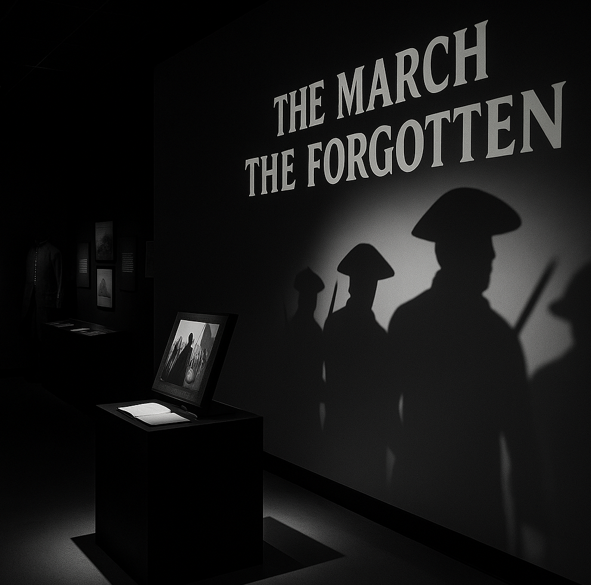
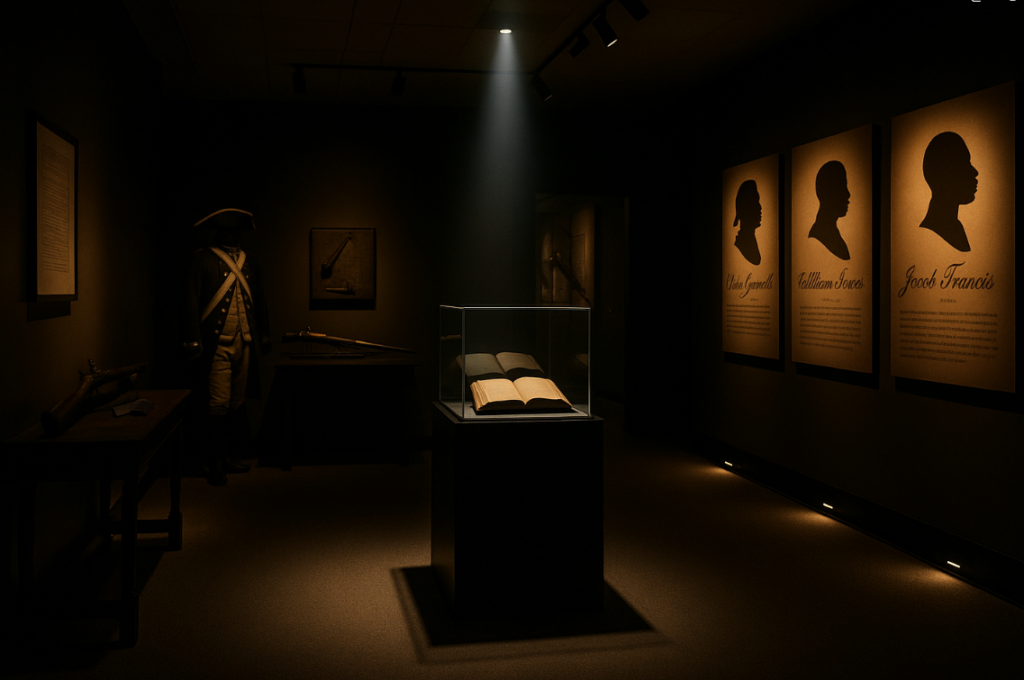
I worked with historical partners, including the New Jersey Historical Society in Newark, to develop interpretive storytelling and visual experiences that bring Revolutionary War history into a broader public and educational setting. Exhibitions create opportunities to go deeper than an outdoor installation, connecting historical artifacts, personal stories, battlefield events, and classroom learning.

Publications and Editorial Design

I directed and produced historical content, a commemorative booklet, newsletters, promotional campaigns, invitations, and other communications that supported public engagement and organizational growth. This required combining research, writing, editing, information hierarchy, and graphic design into accessible storytelling.

Education and Community Engagement

Working with nonprofit leadership, historians, educators, and community partners, I helped support the creative and interpretive materials behind educational programs that have reached approximately 4,000 students. The objective was to make historical research relevant to younger audiences through approachable language, imagery, maps, and human stories.

Video, Motion, and Digital Storytelling

I developed historical narratives, visual concepts, scripts, and creative direction for animations and video productions intended to extend the experience beyond physical landmarks. This work included collaboration with production partners and the American Battlefield Trust’s Liberty Trail initiative.

Theater and Historical Performance

I helped bring visual design and established creative connections with theatrical partners, including 1780 Bryant’s Tavern Voices From the Past at Paper Mill Playhouse and The Crossing: A Revolutionary New Musical, exploring ways to bring historical figures to life through diverse performance, short-form video, and potential educational programming.

Each medium offers a different opportunity.

A kiosk creates discovery.

A map establishes context.

An exhibit encourages exploration.

A video introduces movement and emotion.

A performance gives a historical figure a human voice.

The strategy was never about producing more content. It was about using the right medium to create the right experience.

The Forgotten Victory Trail Guide

America 250 | Historical Research, Editorial Design, and Inclusive Storytelling

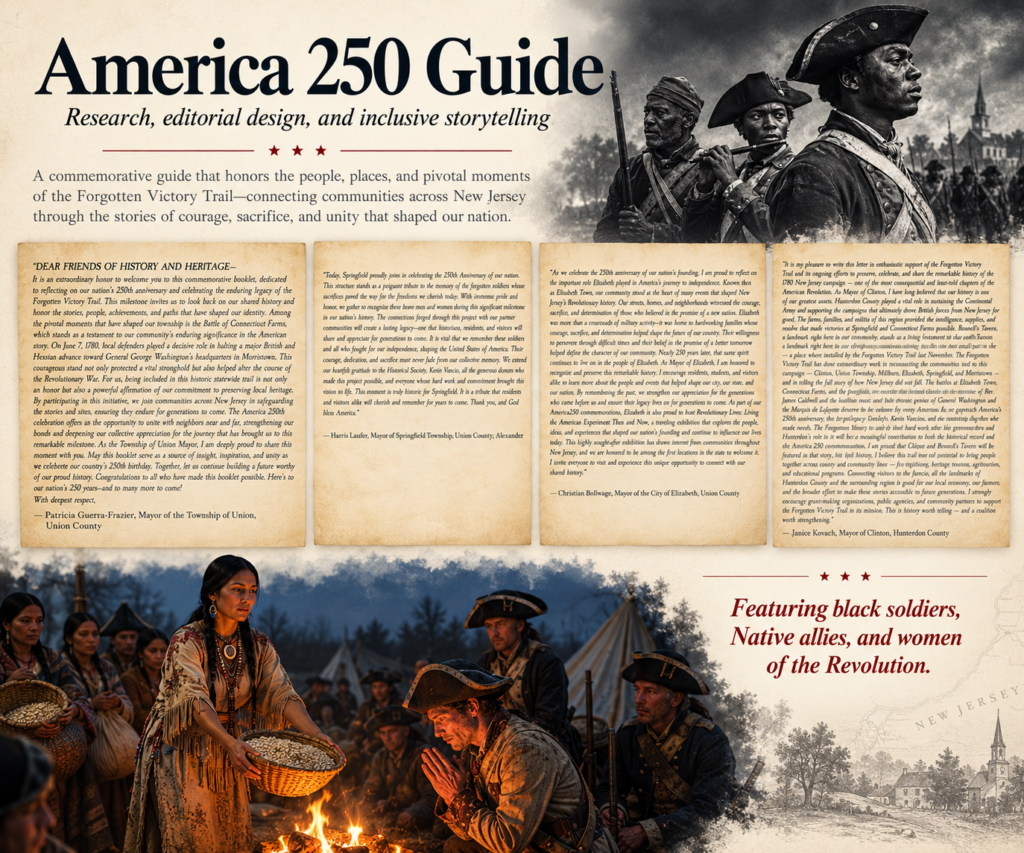
One of my most comprehensive printed and digital creative projects was the Forgotten Victory Trail America 250 commemorative guide, a publication I personally researched, developed, and designed from concept through final production for 53 full color pages.

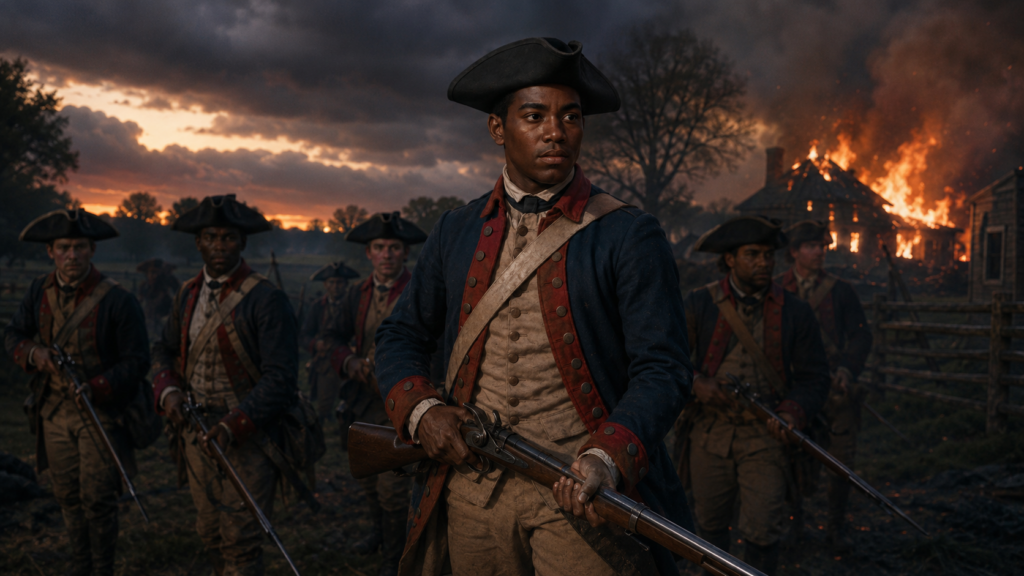
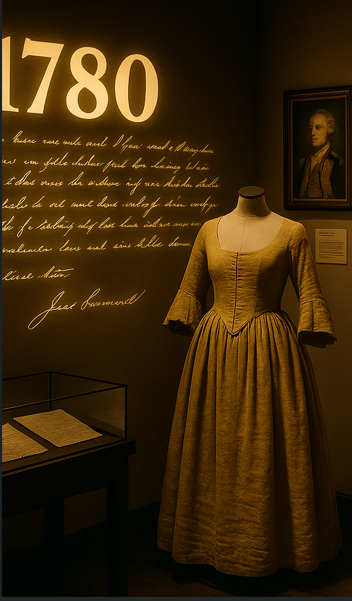
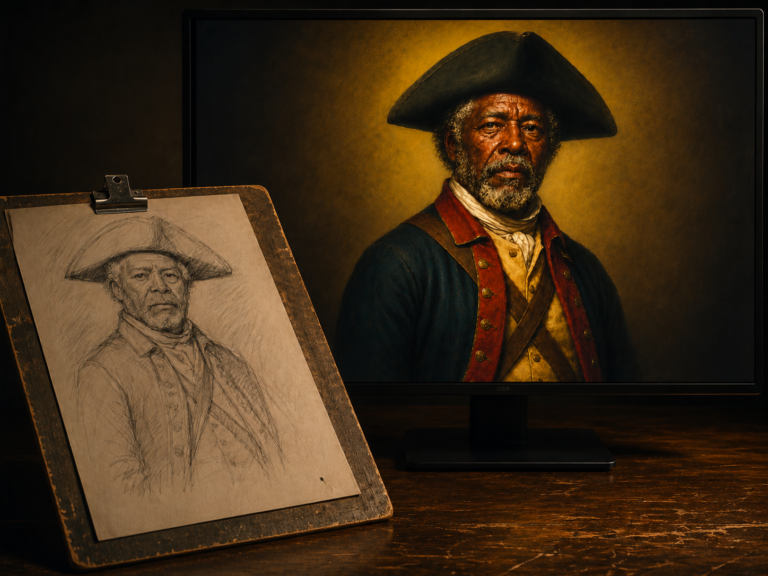
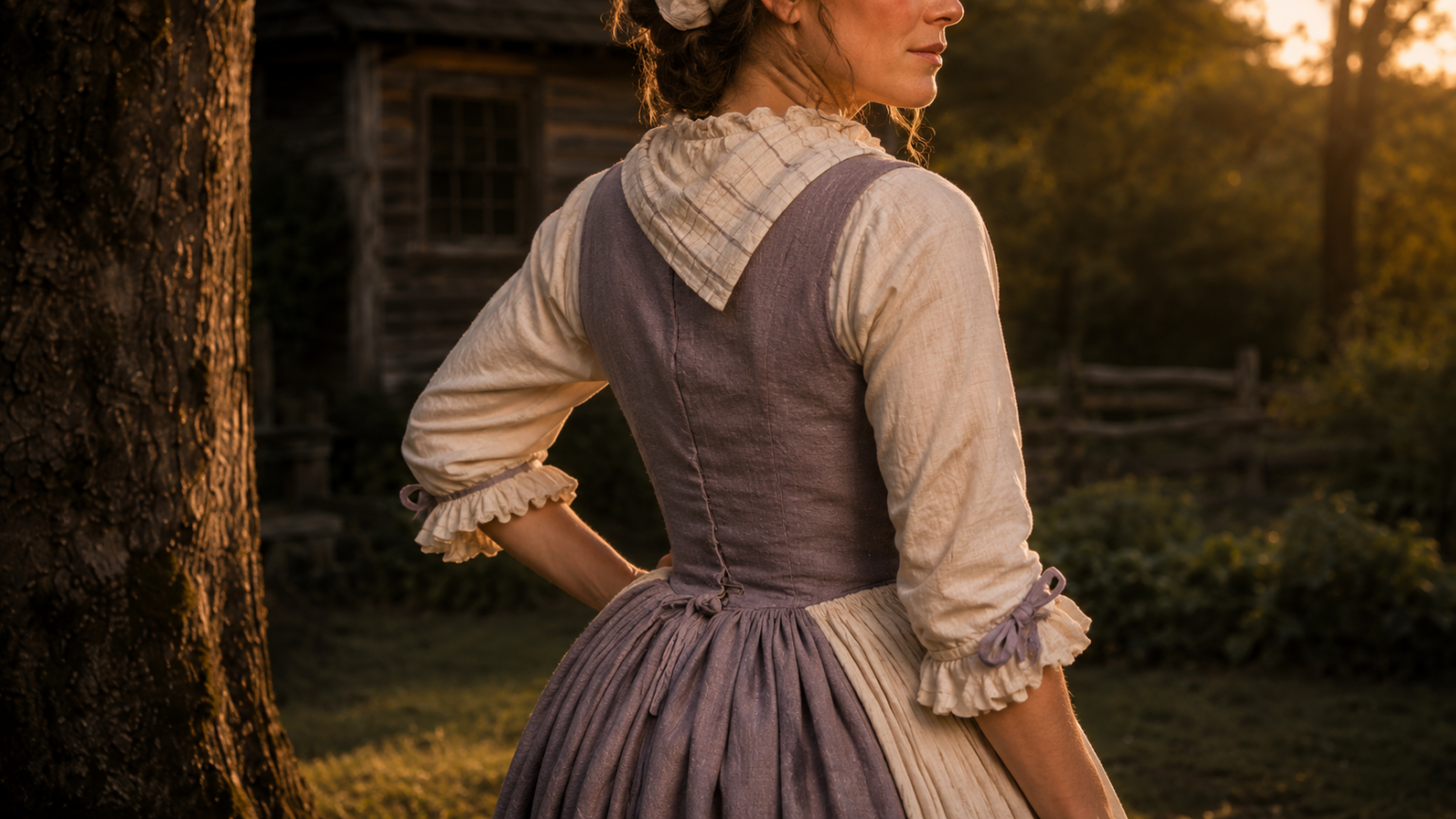
A major creative and historical priority was expanding whose stories were being told. For the first time within our commemorative guide, black Revolutionary War soldiers, Native American participants and allies, and the often-overlooked women whose courage shaped the conflict were brought prominently into the narrative. Rather than presenting history solely through generals and military victories, I wanted readers to discover the people, families, and communities who made those victories possible.

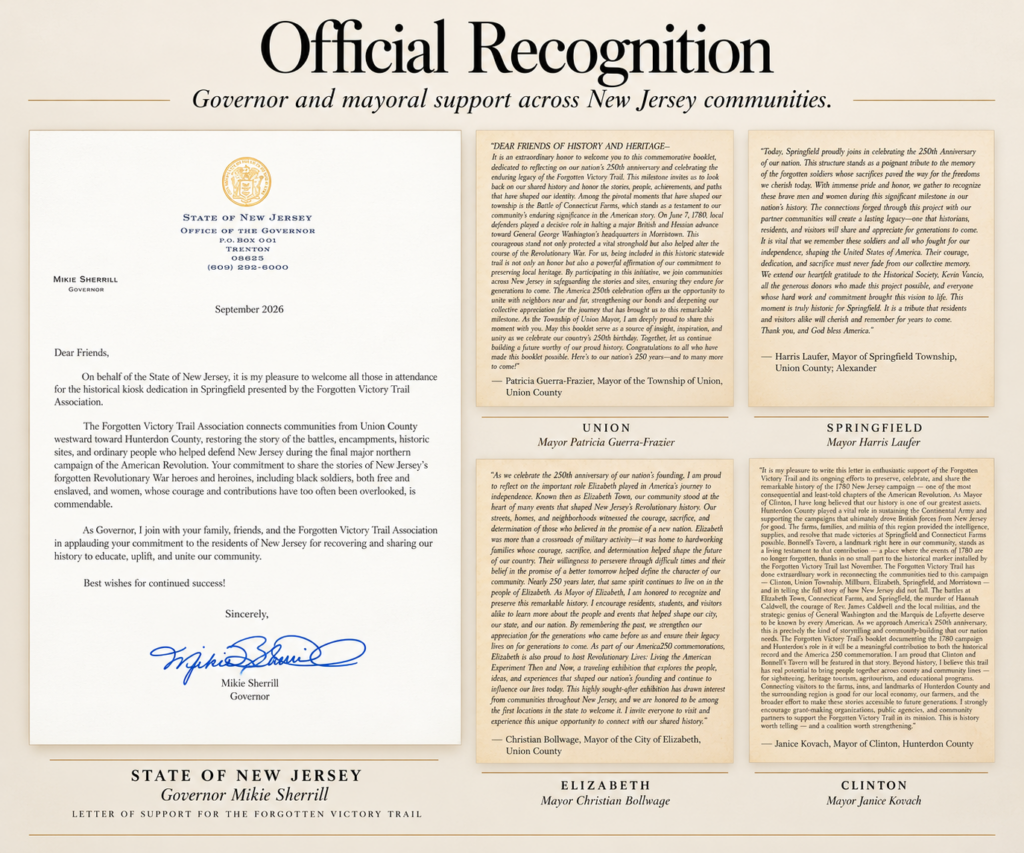
The guide also became a platform for regional collaboration, incorporating messages of support from multiple New Jersey mayors, historical societies, community news, and maps connecting the towns and landmarks of the Forgotten Victory Trail. This helped establish the publication not simply as a historical booklet, but as a shared representation of communities coming together to reclaim their diverse Revolutionary heritage during America 250.

I was responsible for the publication’s research, creative concept, visual storytelling, information hierarchy, editorial design, typography, historical imagery, cartographic presentation, and production-ready layout. The result was more than a commemorative publication. It became an extension of the Forgotten Victory Trail experience, connecting forgotten voices, historical places, and modern communities through a cohesive visual guide. This project brought together my strengths in creative direction, historical research, editorial design, information architecture, visual communication, production, project management, and demonstrating how thoughtful design can transform dense historical material into an accessible and meaningful public experience.

06 / Wearing More Than One Hat

Strategy, Leadership, Production, and Execution

Perhaps the most defining aspect of this work is the environment in which it was created. There was no established creative operation capable of executing the full vision. No dedicated production department. No large internal design team. No unlimited budget. And certainly no shortage of competing priorities. I helped lead a growing nonprofit initiative requiring creative vision, operational coordination, and problem-solving. Depending on the project, I was moving between several responsibilities.

Creative Director

Defining the overarching creative vision, visual language, audience experience, and storytelling approach.

Experience Strategist

Connecting historical locations, content, audiences, and media into a coherent visitor journey.

Art Director and Designer

Developing identity systems, interpretive graphics, environmental installations, publications, and digital assets.

Researcher and Storyteller

Working with archival documents, military history, historical experts, and primary sources to translate complicated information into accessible narratives.

Producer and Project Manager

Coordinating vendors, fabricators, collaborators, project requirements, deliverables, production schedules, and budgets.

Partnership Builder

Working across municipalities, historical societies, museums, preservation organizations, educators, and national partners to align resources and create new opportunities.

Nonprofit Leader

Supporting organizational direction, stakeholder communication, funding opportunities, public visibility, and the practical realities of sustaining a mission-driven initiative.

Often, several of those roles happened in the same afternoon. This wasn’t about collecting titles. It was about understanding the full scope of what needed to happen and taking responsibility for moving the work forward and to see what was possible. Creative leadership meant being able to shift between the big picture and the smallest production detail without losing sight of the experience we were building.

I wasn’t just creating the work. I was helping build the system, relationships, and momentum needed to make the work possible.

Elizabeth to Morristown section of the Trail by Car
Elizabeth to Morristown section of the Trail by Bike
The Full Forgotten Victory Trail
Frame from a Battlefield Animation video

07 / Turning Vision Into Impact

A Growing Public-History Experience

The results extend beyond individual designs.

Forgotten Victory Trail has grown into a recognizable public-history initiative with permanent installations, educational programs, exhibit collaborations, public ceremonies, media development, and expanding community partnerships.

I worked in a hybrid capacity, developing much of the work remotely while regularly joining the development team on-site to review the latest builds, test the technology, and solve issues directly. I also participated in Bayer stakeholder meetings, where I explained the process, established expectations, presented progress, and helped maintain the timeline between UX decisions and development.

Millburn's historic sign granted to FVT
Permanent kiosk installations established across New Jersey
0
Students reached through educational programming
0
7 Hub trail kiosk installations connecting the landscape
0
24 Planned satellite trail installations connecting the state
0
Drive across New Jersey's Historical Landscape
0 Hours

Building Partnerships That Bring History to Life

A major part of my leadership with the Forgotten Victory Trail has been building relationships and bringing together people and organizations around a shared creative vision. I worked directly with local historical societies, the New Jersey Historical Society, the Society of the Cincinnati, the American Battlefield Trust, preservation foundations, municipal officials, historians, educators, and community leaders across New Jersey. My role extended beyond design into presenting ideas, developing proposals, coordinating historical research, aligning stakeholders, securing support, and helping move projects from concept to public installation. These collaborations also earned recognition and encouragement from multiple New Jersey mayors and the Office of the Governor. Bringing together organizations with different priorities, resources, and perspectives required diplomacy, strategic communication, persistence, and creative problem-solving. What began as a historical preservation effort became a growing network of partnerships working together to reconnect communities through a shared history.

Expanding Experience

A cohesive historical narrative expressed through physical environments, digital media, exhibitions, publications, performance, and education.

The fourth kiosk installation, in Springfield, is in production, and additional projects and partnerships continue to develop.

These outcomes reflect the collective efforts of the Forgotten Victory Trail Association, its volunteers, community partners, historians, and supporters.

My contribution has been helping establish and lead the creative vision, experience strategy, design direction, and multidisciplinary production work that connect these efforts into something recognizable and scalable.

The work continues to evolve. New research uncovers overlooked people. New locations reveal unexpected connections. New partnerships create opportunities to tell the story in different ways and each new experience strengthens the larger vision.

What This Project Says About Me

Forgotten Victory Trail has become one of the clearest expressions of how I think and work as a creative leader. I’m comfortable operating where there is ambiguity, fragmented information, competing priorities, and no obvious solution.

I can see relationships between things that initially appear disconnected. I can take an enormous amount of information, establish a clear structure, and translate it into a compelling experience.

I can move between strategic thinking and hands-on execution, lead creative work across disciplines, and collaborate with people who bring very different perspectives and expertise, and I understand that a strong creative idea is only the beginning. It needs a system, a team, a production strategy, a reason to exist, and the determination to carry it through.

The Forgotten Victory Trail demanded all of that. It challenged me to think as a designer, strategist, researcher, storyteller, producer, organizational leader, and collaborator, often simultaneously. It also reinforced something I’ve believed throughout my professional career.

Great design isn’t defined by the medium. It’s defined by the ability to make the complicated understandable, the unfamiliar meaningful, and the overlooked impossible to ignore.

I helped take a story scattered across centuries, archives, and communities and turn it into a growing public experience. Not simply to preserve the past, but to help people see it, understand it, and feel why it still matters.

Making the forgotten unforgotten.

Explore the project at ForgottenVictory.com

Making New Jersey's History Alive

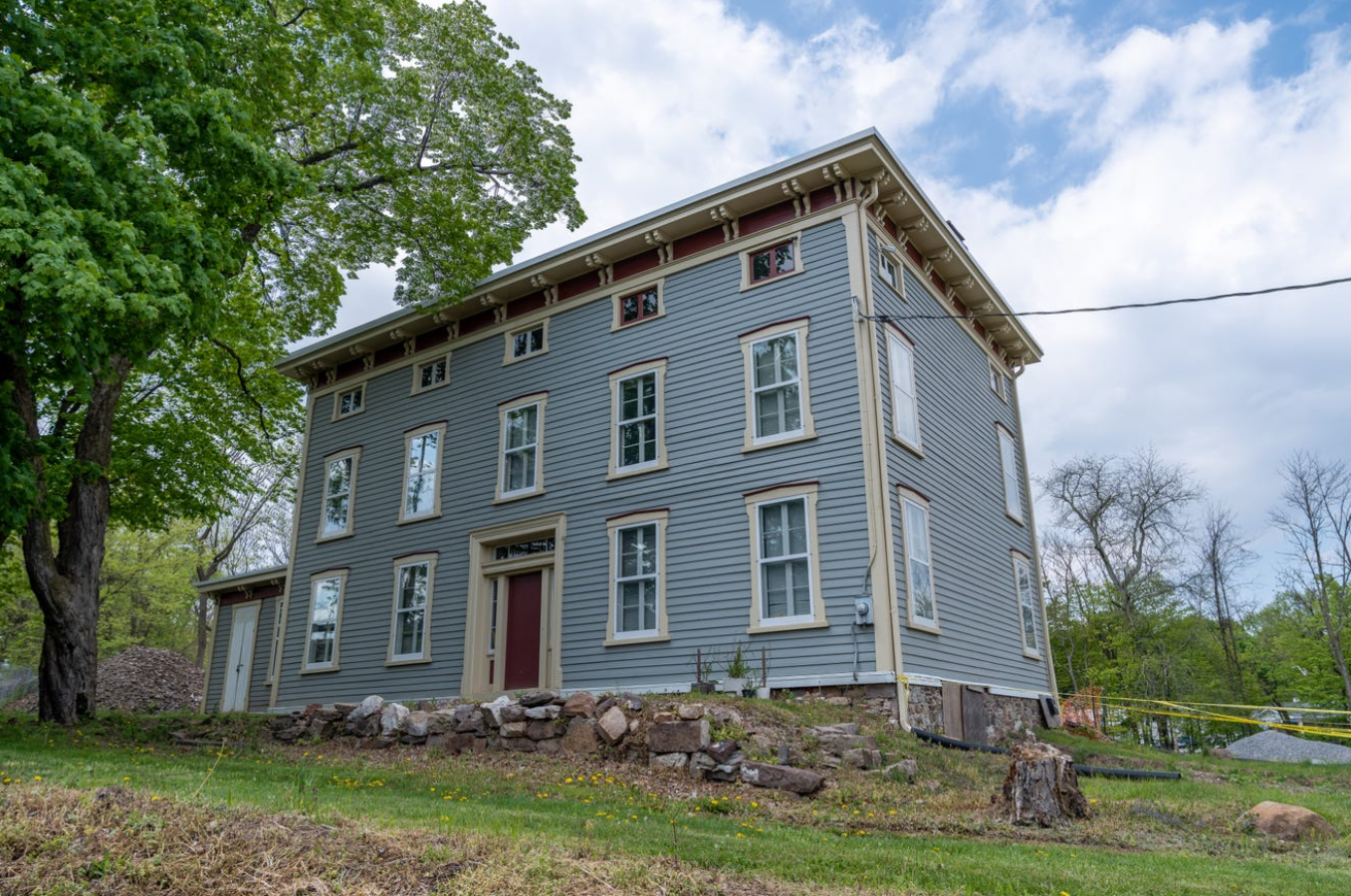
“Kevin’s design work for Bonnell’s Tavern and Minutemen Microbrewery has helped shape the vision for the revival of this historic Clinton, New Jersey landmark after nearly 75 years of closure. Through brand identity and logo development, trail concepts, museum and tavern experiences, and ideas for community partnerships, Kevin has helped connect the property’s rich history with a renewed vision for its future. His work goes beyond design, bringing together storytelling, place-making, and strategic creative thinking to help transform an historic site into a vibrant destination for heritage, hospitality, craft brewing, and community engagement.”
-Hank Bonnell | Owner of Bonnell’s Tavern and Historic Museum